
Dance Styles We Teach
Below is a sample of dances we teach in the International Ballroom, International Latin, and Club Styles. We also teach all dances in the American Smooth and American Rhythm Styles in private lessons.
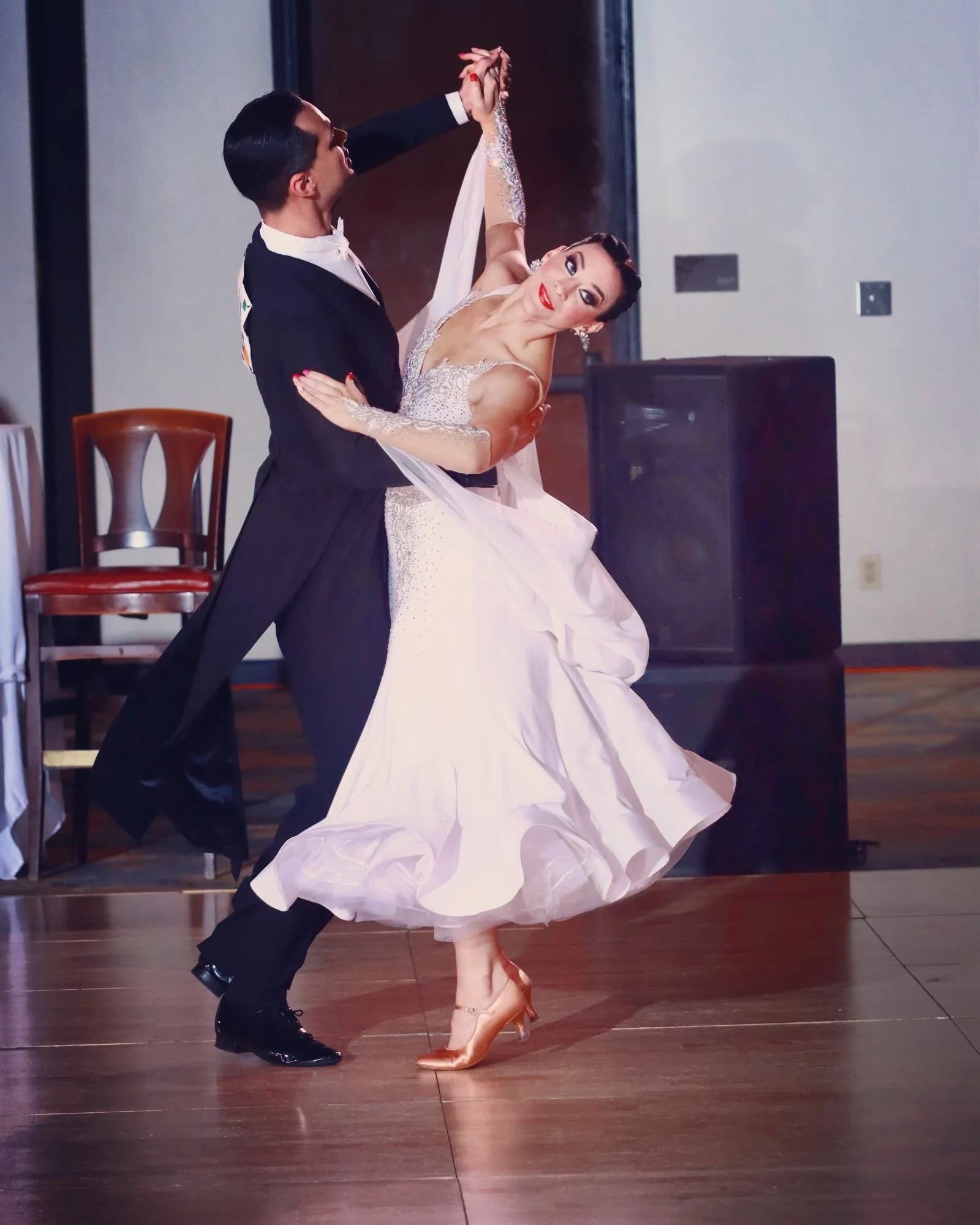
Slow Waltz
The International Slow Waltz is a smooth and graceful progressive dance characterized by its continuous pendulum swing movements and rise and fall. It is danced to slow, elegant, waltz music. The slower music of the waltz allows for slow, long, strides and elegant poses that contrast against the faster-paced dance segments.
Waltz is a popular dance for lots of formal occasions like weddings, quinceañeras, and other social gatherings. It can also be a competitive ballroom dance, and can often be seen in performances such as Dancing with the Stars. This dance can be very expressive and fulfilling to learn. A little known fact is that waltz and ballroom dancing teaches basic fundamental partnering skills that are imperative to being a great Latin dancer.
HOW TO LEARN: Introduction to Ballroom Series or Private Lessons
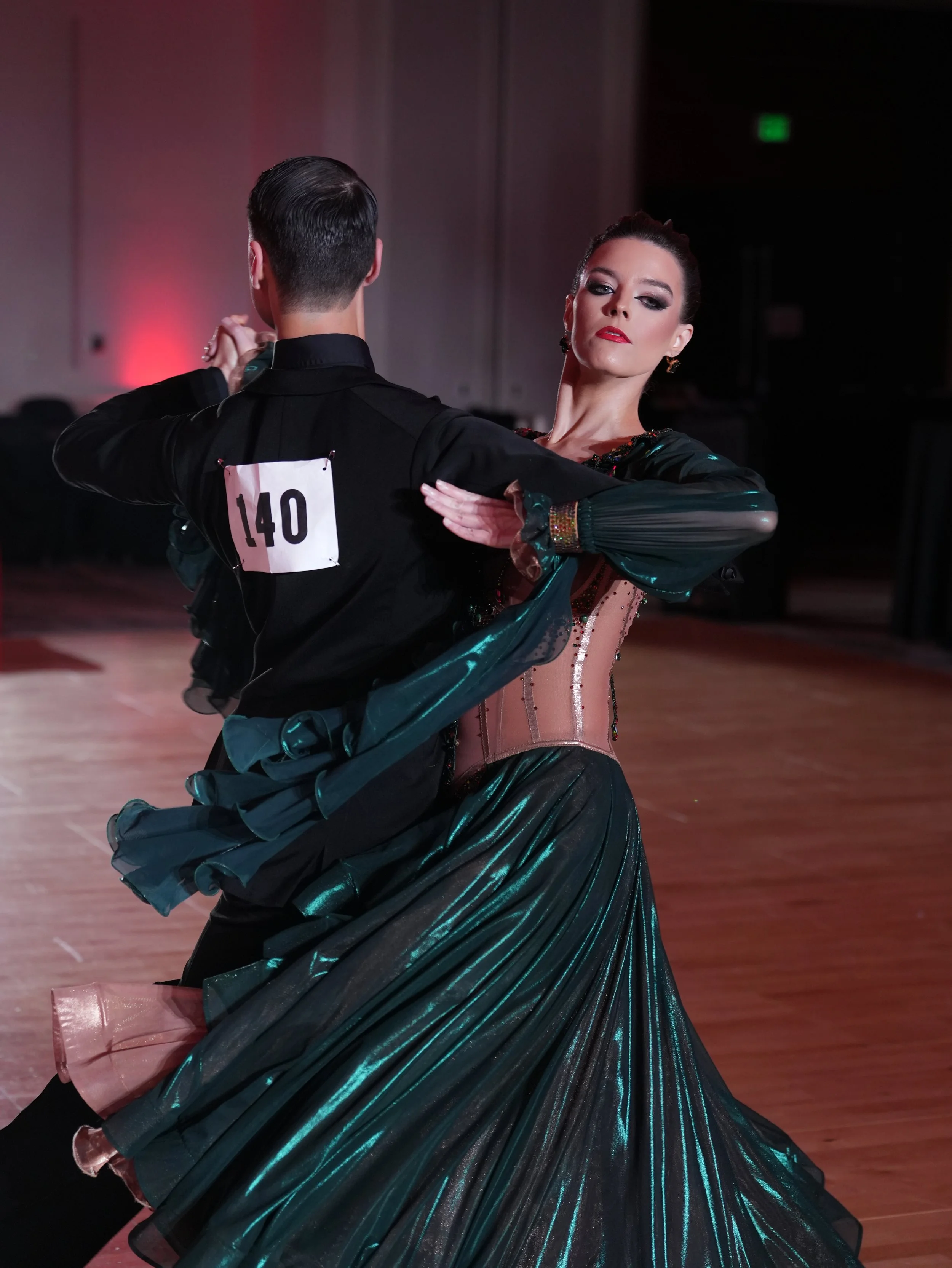
Tango
The International Tango is a dramatic and passionate progressive dance which originated in Buenos Aires and has roots in Argentine Tango, but became influenced by European culture and music after becoming popular across Europe. Unlike other ballroom dances, tango movements are often staccato with fast directional changes, more similar to many Latin dances.
If you travel to Argentina, you are sure to see Argentine tango being danced. International style tango is danced in social dance clubs, ballroom dance competitions, and performances such as Dancing with the Stars. The romance and drama of the tango make it a special dance to learn, especially for a date night.
HOW TO LEARN: Introduction to Ballroom Series or Private Lessons
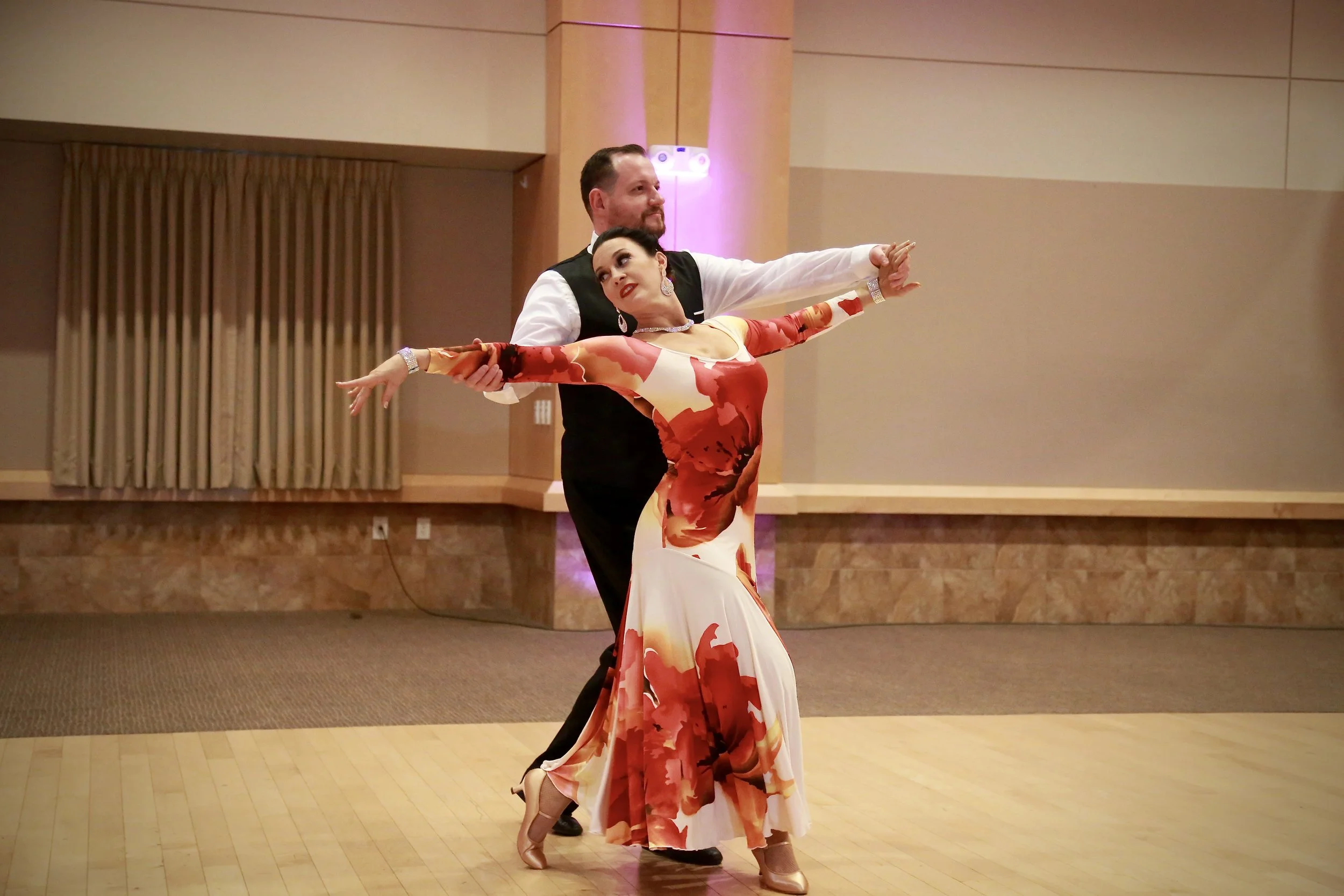
Foxtrot
The International Foxtrot is a smooth and progressive dance characterized by long, continuous flowing movements across the dance floor. The smooth, gliding motion of the foxtrot requires effort from the dancer to produce, giving the foxtrot the reputation of being the most difficult ballroom dance to execute well. Rhythmic variation within the foxtrot is used to make up for the loss of variety in figures and positions.
Foxtrot is popular at a variety of social events, including wedding receptions. It can also be a competitive ballroom dance, and can often be seen in performances such as Dancing with the Stars.
HOW TO LEARN: Private Lessons or ADC Program Classes (after graduating from Intro to Ballroom)
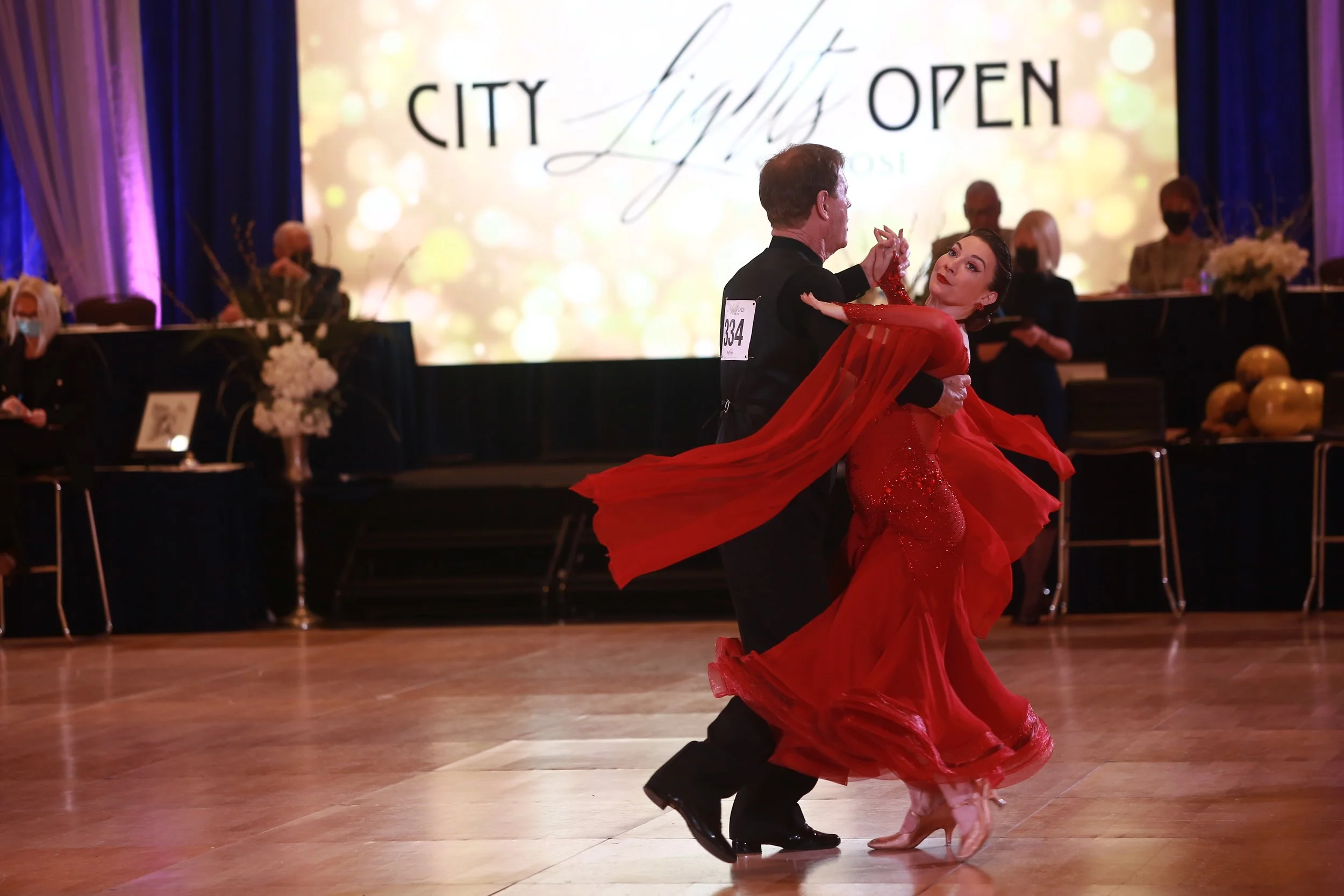
Viennese Waltz
The International Viennese Waltz is actually the original form of the waltz. It was the first ballroom dance performed in the closed hold position, which is now common among all International Standard dances. While the slow waltz is danced at approximately 30 bars per minute, the Viennese waltz is danced at about 58 to 60 bars per minute. Also unlike the slow waltz, the Viennese waltz is a rotary dance where the dancers are constantly turning either toward the leader's right or toward the leader's left.
Viennese waltz is best known from Viennese balls, which are still danced in Vienna as well as throughout the world, including nearby Stanford University's annual event. Viennese waltz is often danced at ballroom parties and social events, ballroom dance competitions, and performances such as Dancing with the Stars.
HOW TO LEARN: Private Lessons or ADC Program Classes (after graduating from Intro to Ballroom)
Quickstep
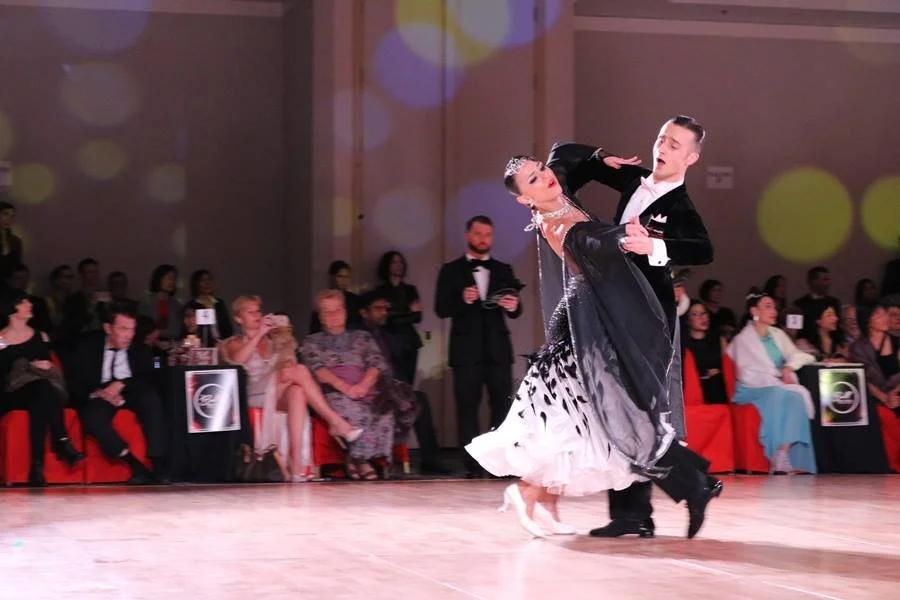
The International Quickstep is a fun and energetic progressive dance. The quickstep originally evolved from the foxtrot, but has developed into a separate and lively dance with lots of movement across the dance floor. At higher levels, the quickstep has unique, advanced patterns including hops and runs. Quickstep music has the fastest tempo of all ballroom dances. Syncopated steps are also very common, giving the quickstep the appearance of being even faster.
Quickstep is often danced at ballroom parties and social events, ballroom dance competitions, and performances such as Dancing with the Stars.
HOW TO LEARN: Private Lessons or ADC Program Classes (after graduating from Intro to Ballroom)
Cha Cha
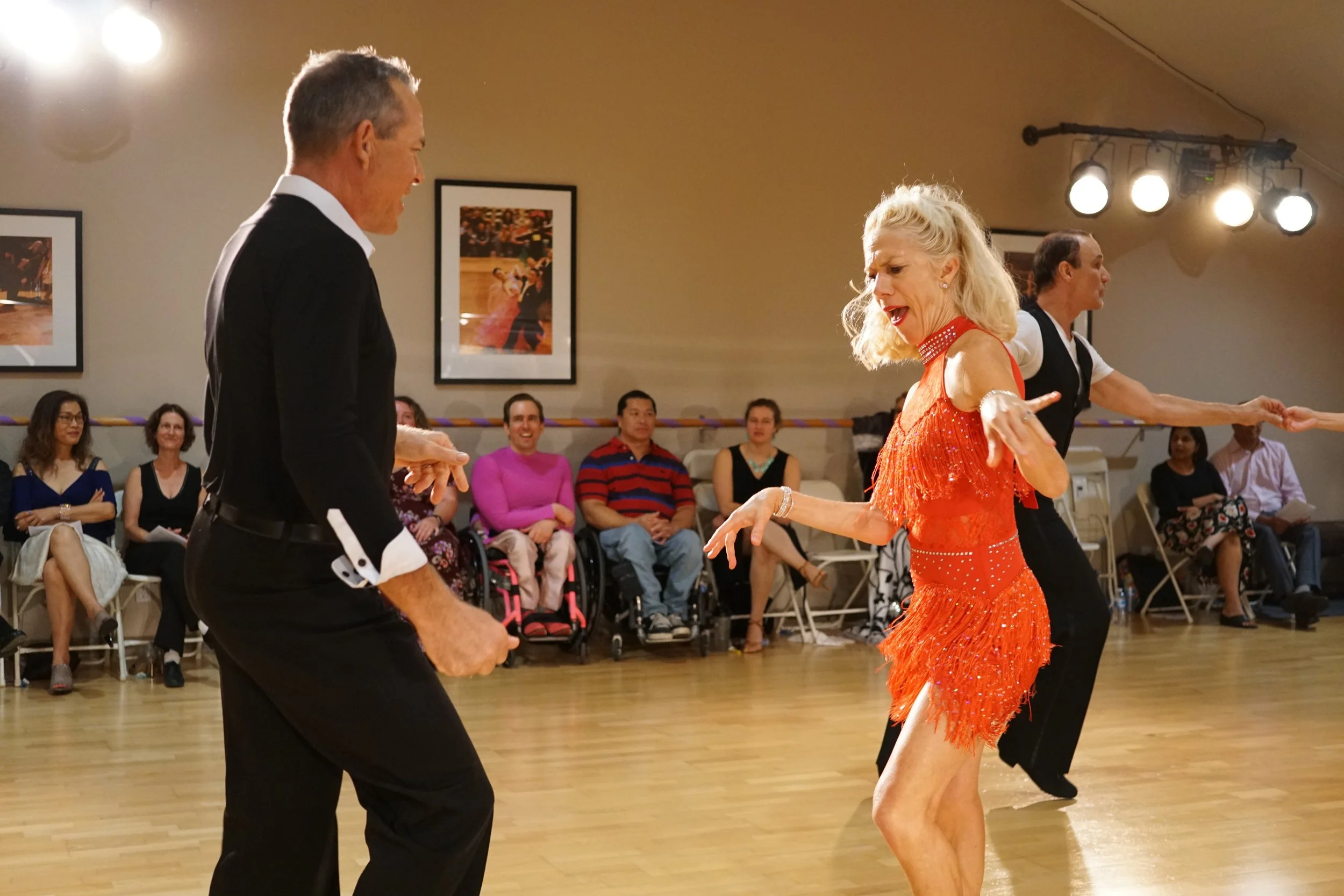
The International Cha Cha is a dance of Cuban origin, and may be danced to authentic Cuban music or a variety of other musical styles such as Latin pop or Latin rock. The music is energetic and has a steady beat, although many cha cha patterns include syncopation which increases the speed of the dance. The original cha cha count is "one, two, three, cha-cha" or "one, two, three, four-and". The cha cha is a fast, flirtatious dance that requires quick and precise footwork.
Cha cha is a popular dance for lots of formal occasions like weddings and other social gatherings, as well as social dance clubs. It can also be a competitive ballroom dance, and can often be seen in performances such as Dancing with the Stars.
HOW TO LEARN: Introduction to Ballroom Series or Private Lessons
Samba
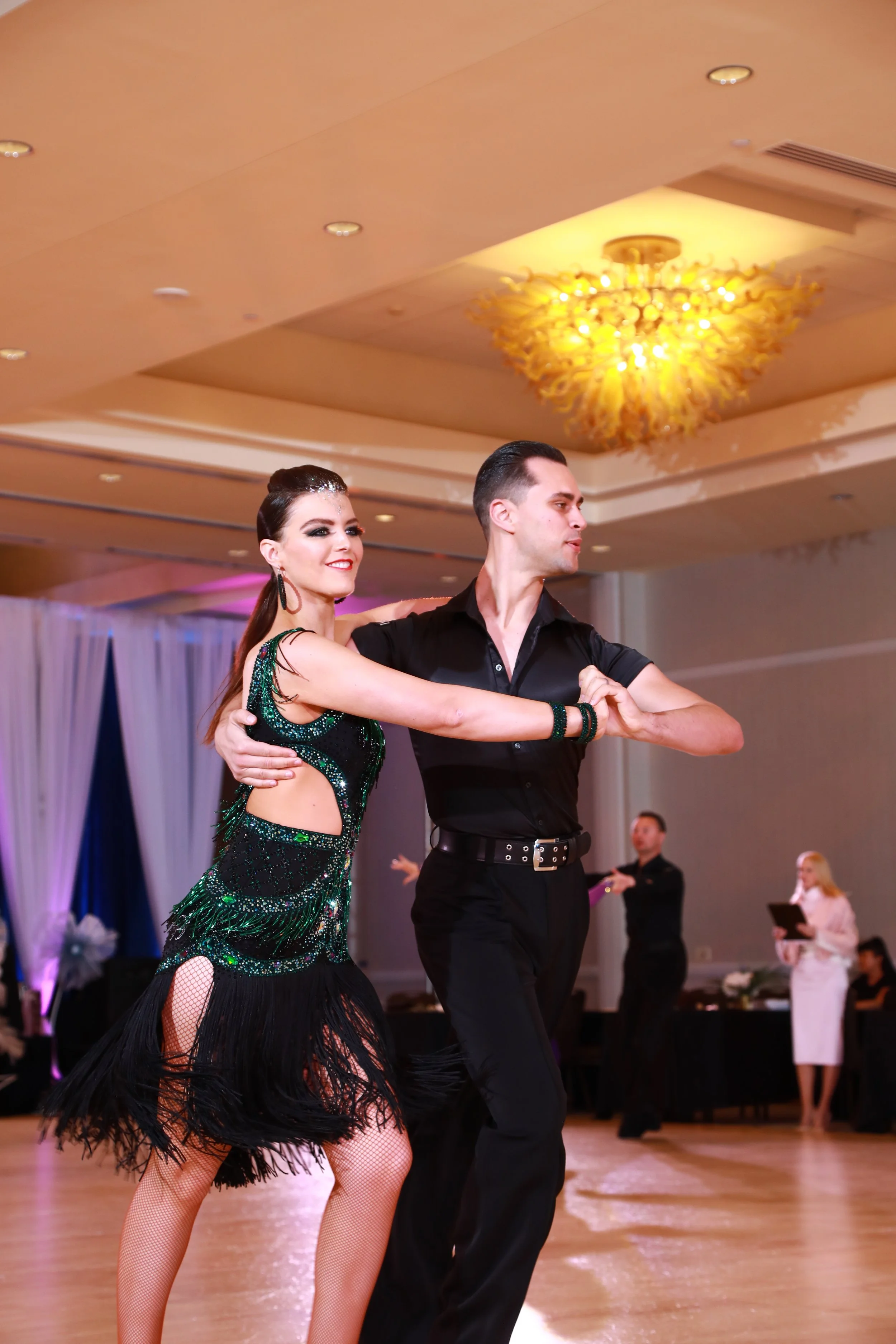
The International Samba is a lively, rhythmical dance related to the traditional samba styles of Brazil. Samba has a specific, circular hip action which separates it from the Cuban-derived Latin dances, rumba and cha cha. Samba has a strong bounce action through the knees without any bobbing of the head, making the dance look festive and fun, reminiscent of its origins in the Brazilian Carnival.
Samba today is still danced at the Brazilian Carnival, a huge annual festival and the most popular holiday in Brazil. Locally, samba is danced in social dance clubs, ballroom dance competitions, and performances such as Dancing with the Stars.
HOW TO LEARN: Private Lessons or ADC Program Classes (after graduating from Intro to Ballroom)
Paso Doble
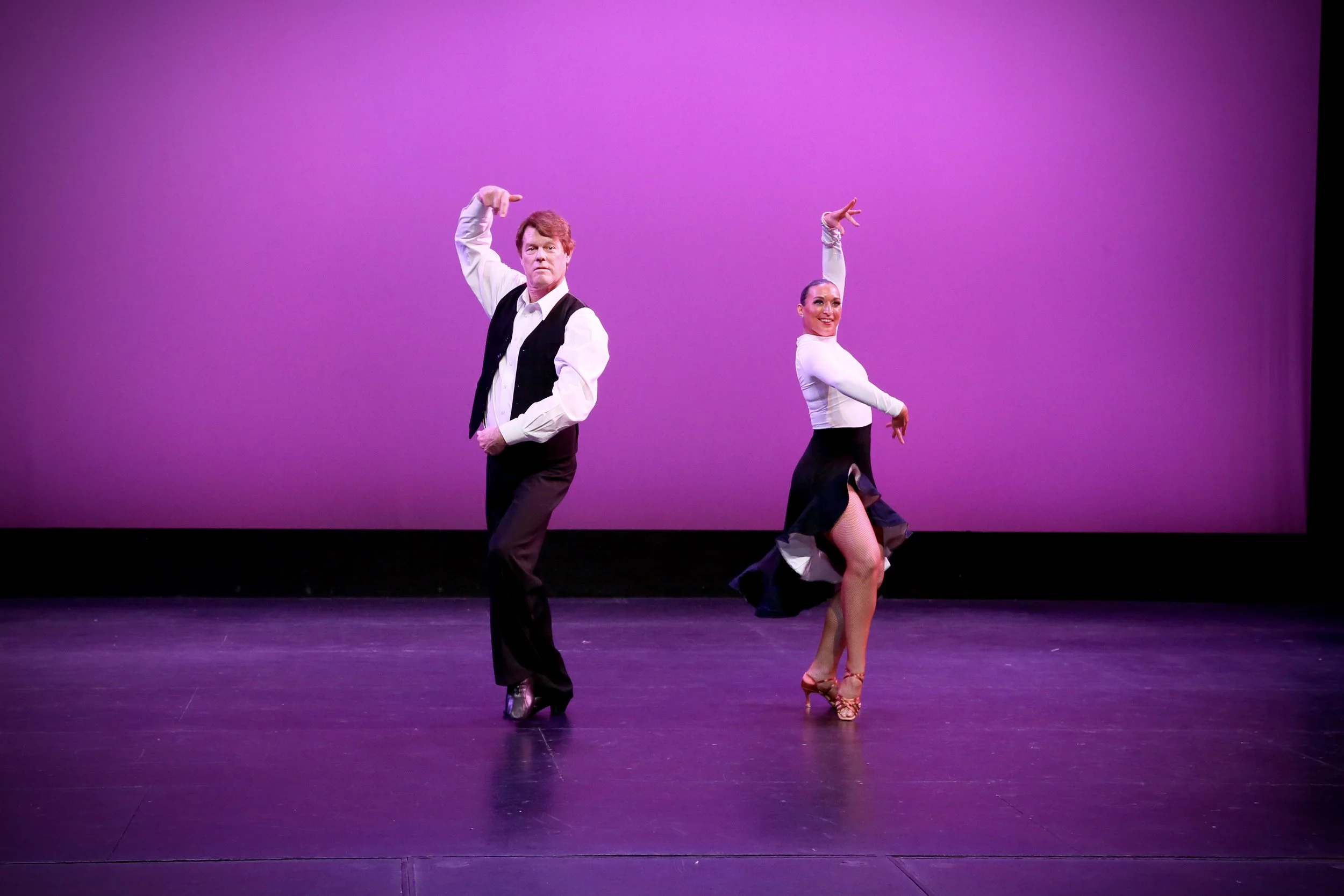
The International Paso Doble is a theatrical dance that is often serious and dramatic. Its songs are often variations of España Cañi, and will have breaks or "highlights" in fixed positions in the song. Paso doble routines will be choreographed around the music and its phrases, with dancers striking a dramatic, powerful pose during the highlight. The paso doble is inspired by the music played at bullfights, with the leader playing the part of the matador and the follower playing the part of the matador's cape or the bull.
Due to its theatrical nature and unique music, paso doble is most often danced at ballroom dance competitions and performances such as Dancing with the Stars.
HOW TO LEARN: Private Lessons or ADC Program Classes (after graduating from Intro to Ballroom)
Rumba
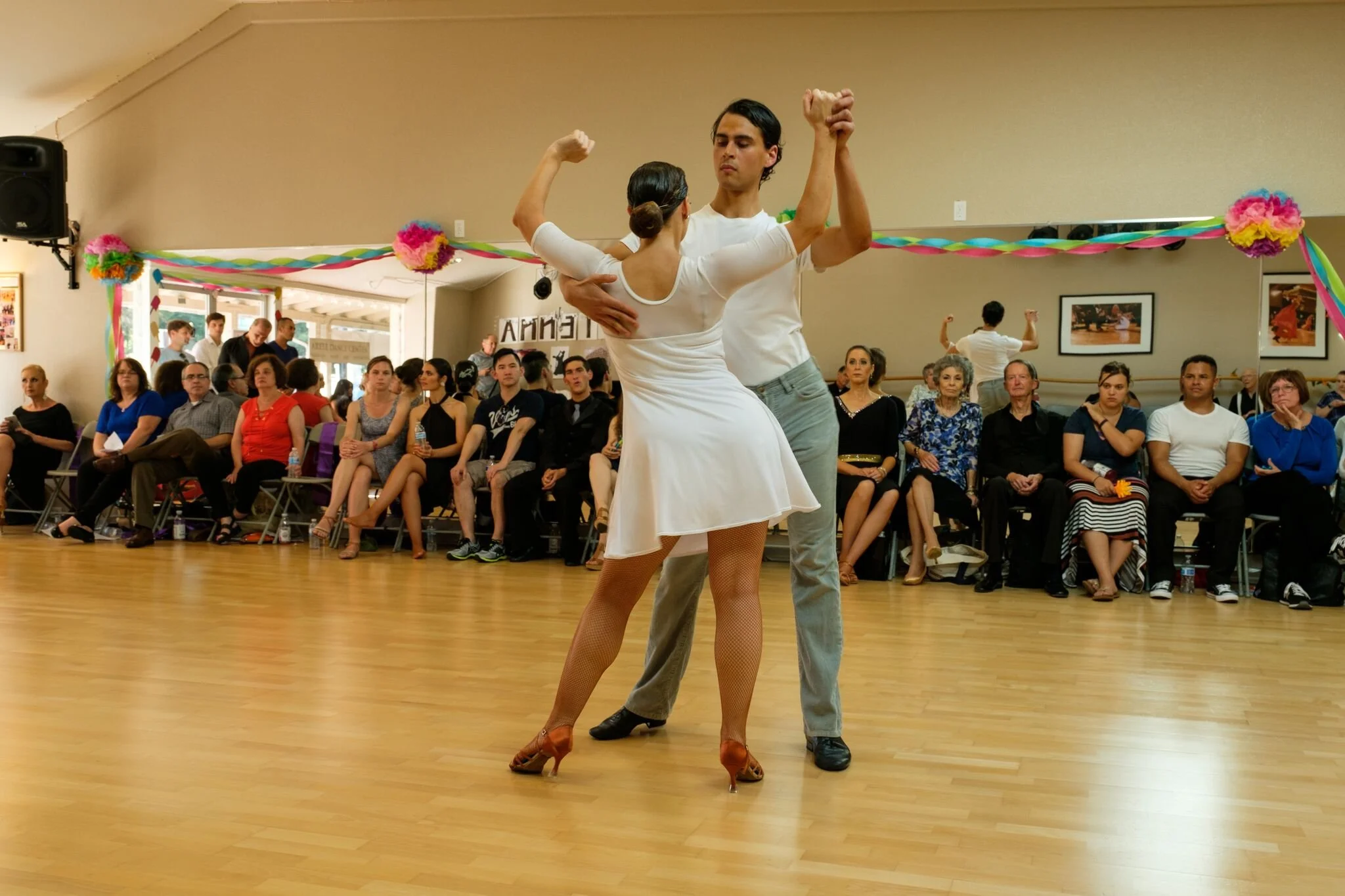
The International Rumba is the slowest of the five competitive international Latin dances. The ballroom rumba was derived from Cuban dance, and its slower rhythm allows for dancers to place more emphasis on the traditional Cuban action of the hips. The rumba is intended to be a romantic, emotional dance portraying a love story between the dancers.
Rumba is danced in social dance clubs, ballroom dance competitions, and performances such as Dancing with the Stars. Rumba is considered to be the dance of love, making it perfect to learn for a date night, anniversary, or wedding.
HOW TO LEARN: Private Lessons or ADC Program Classes (after graduating from Intro to Ballroom)
Jive
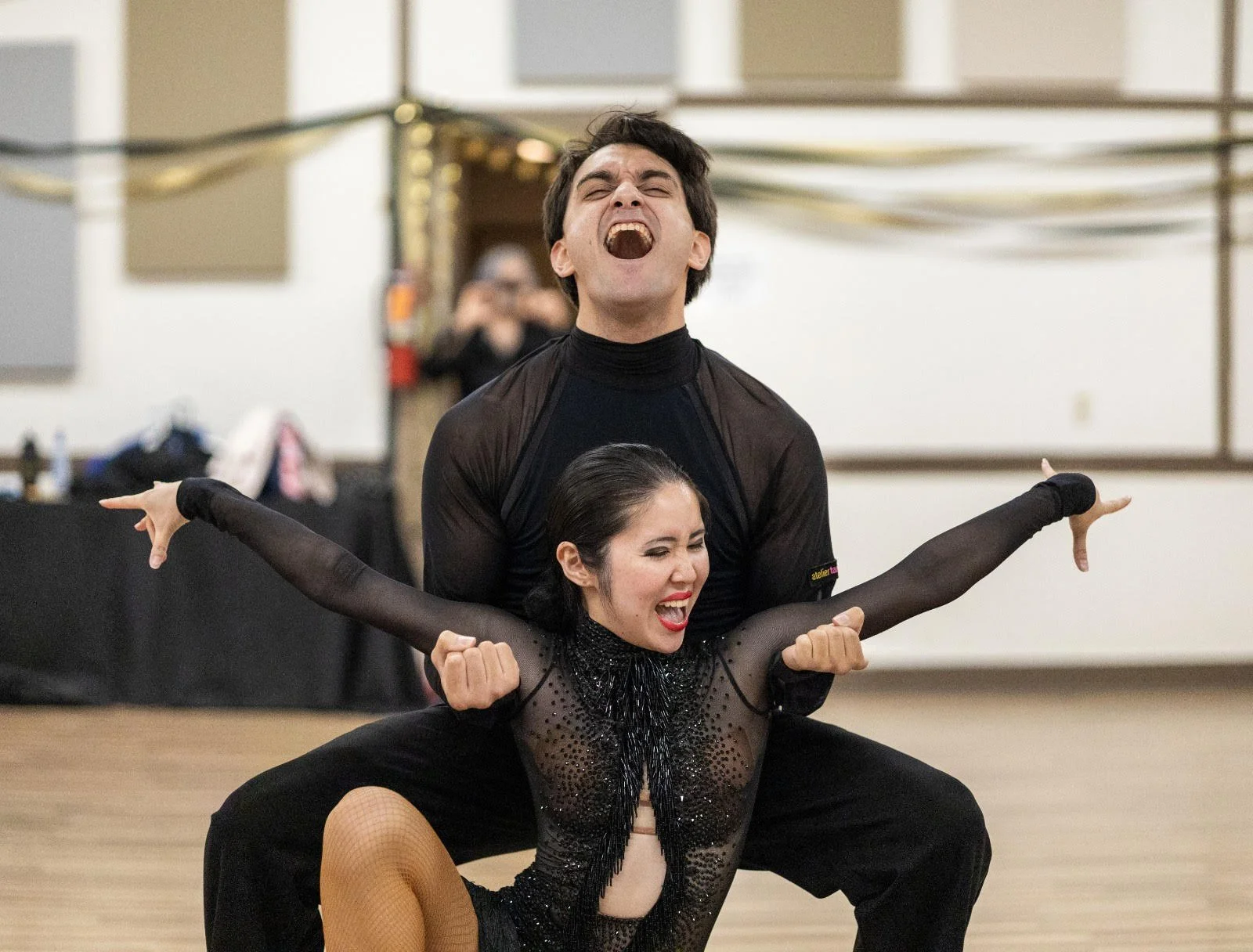
The International Jive is a dance style that originated in the United States with African-American social dances in the early 1930s. The jive is the only International Latin dance with roots based on swing dancing, specifically the Jitterbug. While many of jive's basic patterns are similar to the East Coast Swing, the jive has a faster rhythm at 44 measures per minute, higher kicks, and more complex footwork. Jive is a high energy, fun, and infectious dance that makes it perfect for parties and social events.
Jive is a popular dance for lots of social gatherings like weddings, cruises, country club events, and social dance parties. Many popular songs, including rock-and-roll and pop, are perfect for dancing jive socially, or a slow version of the jive called single-time swing. Jive can also be a competitive Latin dance, and can often be seen in performances such as Dancing with the Stars.
HOW TO LEARN: Introduction to Ballroom Series or Private Lessons
Salsa
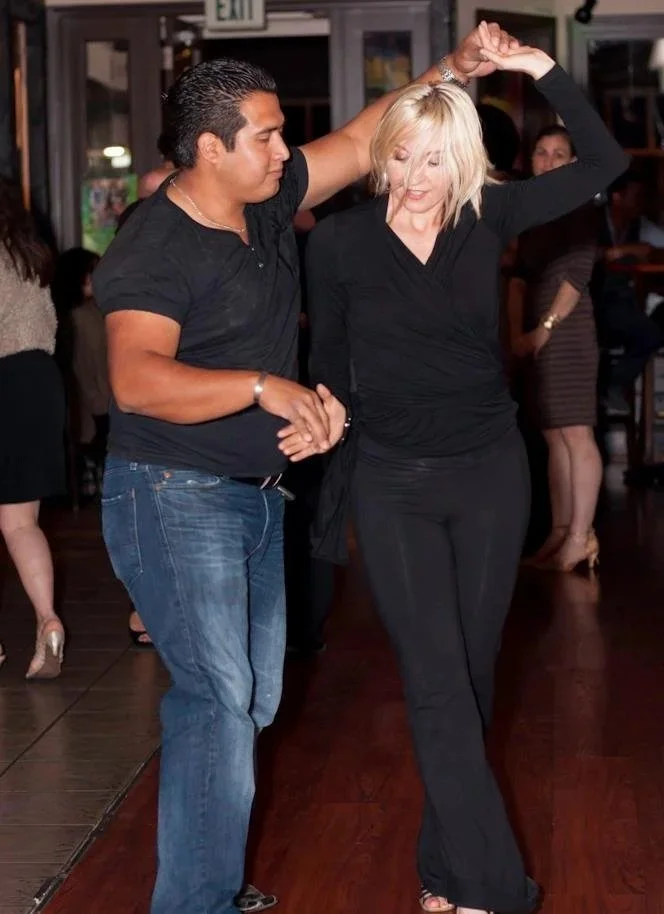
Salsa is a sexy, energetic, and fast Latin social dance, which has become hugely popular around the world. It's an amalgamation of Cuban dances popular in Havana in the 1950s and American jazz dances.
Salsa dance socials are common in nightclubs, bars, ballrooms, and outdoor festivals, making it a useful dance to learn for anyone who wants to dance socially. It's a fun dance to learn with a date, with a friend, or on your own so you're ready for a night on the town.
HOW TO LEARN: Private Lessons
Bachata
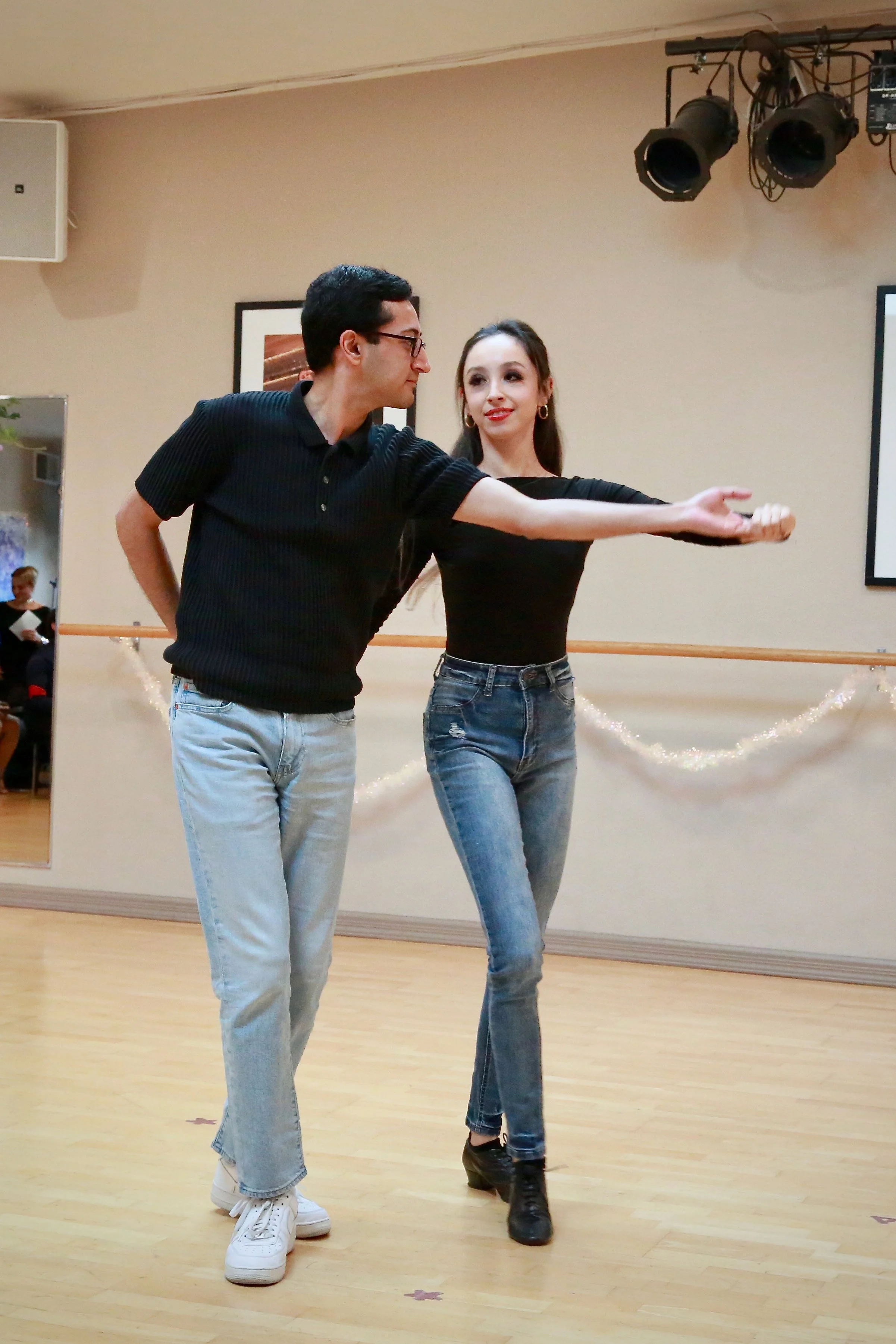
Bachata is a romantic Latin social dance, which originated in the Dominican Republic and is now popular around the world. The music and dance have been influenced by Cuban Bolero, Merengue, Salsa, and Cumbia.
Bachata dance socials are common in nightclubs, bars, and ballrooms, making it a useful dance to learn for anyone who wants to dance socially. Given the romance of the dance, it's a great dance to learn for a date night in the Bay Area.
HOW TO LEARN: Private Lessons
Swing
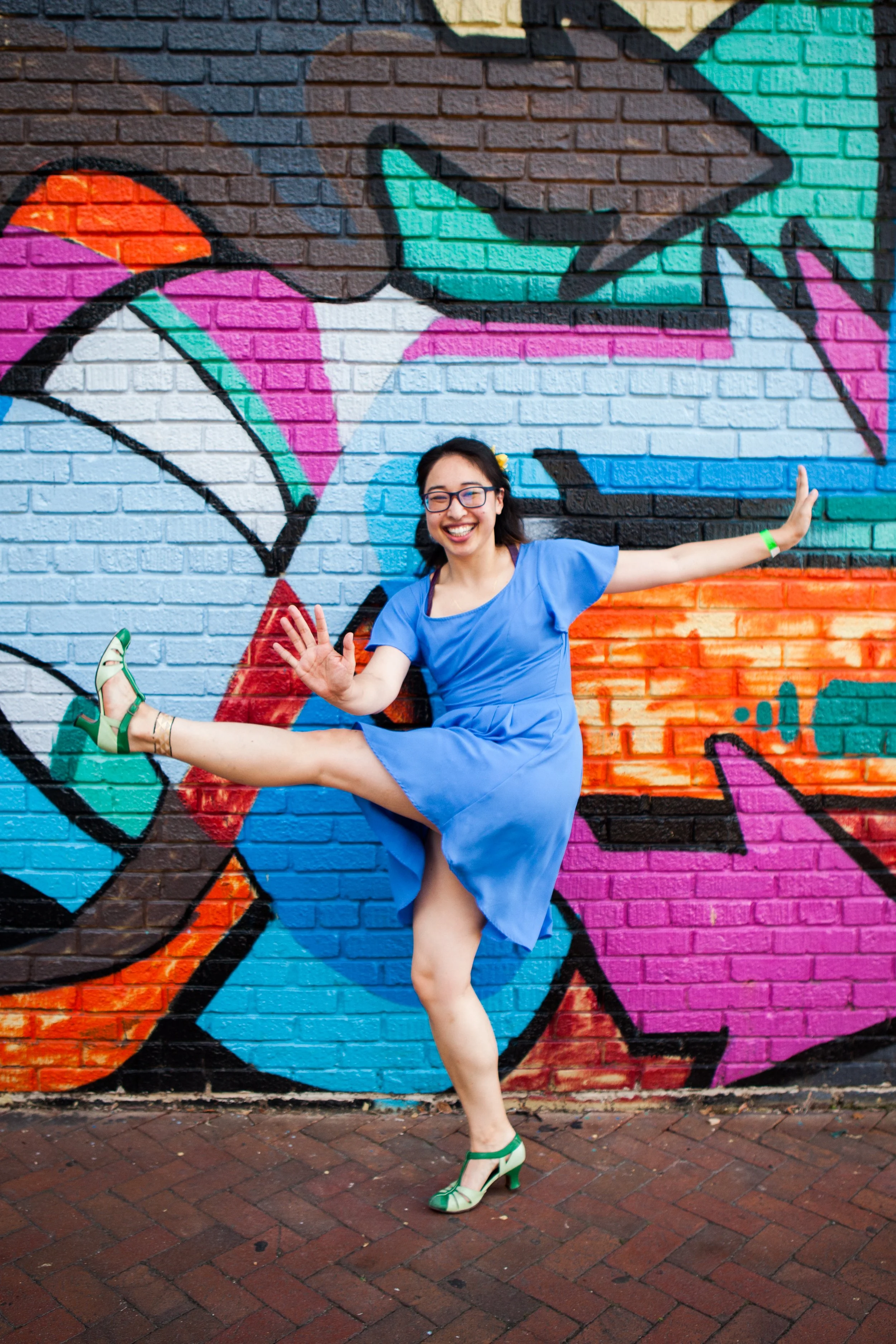
Swing dance is a group of dances that developed with the swing style of jazz music in the 1920s-1940s. Styles of swing dancing include Lindy Hop, Balboa, Collegiate Shag, and Charleston. Many traditional swing dances originated in African-American communities. The term "swing dancing" is often extended to include other dances that don't have certain characteristics of traditional swing dances, includes West Coast Swing, East Coast Swing, and Jive.
Often, swing dances are popular social dances, with vibrant local communities that hold dances with DJs and live bands. Swing dancing is common at weddings, country clubs, cruises, and outdoor festivals, making it a useful dance to learn for anyone who wants to dance socially. It's a fun dance to learn with a date, with a friend, or on your own so you're ready for a night on the town.
HOW TO LEARN: Private Lessons